
You come home to wet carpet. Or you wake up to the sound of water running somewhere it shouldn’t be. Or you open the basement door and see six inches of standing water.
Whatever brought you here, the feeling is the same: panic, followed by the question every homeowner asks — what do I do now?
We’ve been answering that question for families across Metro Atlanta for over 22 years. Here’s an honest, step-by-step look at what the water damage restoration process actually involves, how long it takes, and what you should know about working with your insurance company.
First: What to Do in the First 30 Minutes
Before you call anyone, take these steps if it’s safe to do so:
Stop the water source. If it’s a burst pipe, shut off your main water valve. If you don’t know where it is, now is an expensive time to learn — it’s usually near the water meter or where the main line enters your house. If flooding is from an external source (storm, groundwater), you can’t stop it, but you can start protecting what you can.
Turn off electricity in affected areas. If water is near electrical outlets, appliances, or your breaker panel, don’t walk through it. Go to your main breaker and cut power to the affected areas. If you can’t reach the panel safely, call your utility company.
Move what you can. Get furniture off wet carpet. Lift curtains off the floor. Move electronics and valuables to dry areas. The faster you get items out of standing water, the more likely they can be saved.
Document everything. Before you clean up a single thing, pull out your phone and take photos and video. Walk through every affected room. Open cabinets, look behind furniture, document the water line on walls. Your insurance adjuster needs to see the damage as it was, not after you’ve started cleanup.
Call your insurance company. File the claim now, even if you don’t have all the details yet. The sooner the claim is opened, the smoother the process.
What Happens When the Restoration Team Arrives
Here’s what the process looks like from our side. Every job is different, but this is the general sequence for a typical residential water damage restoration.
Step 1: Assessment and Damage Classification
We don’t just show up and start ripping out carpet. The first thing we do is a thorough assessment using moisture meters, thermal imaging cameras, and visual inspection to understand the full scope of the damage.
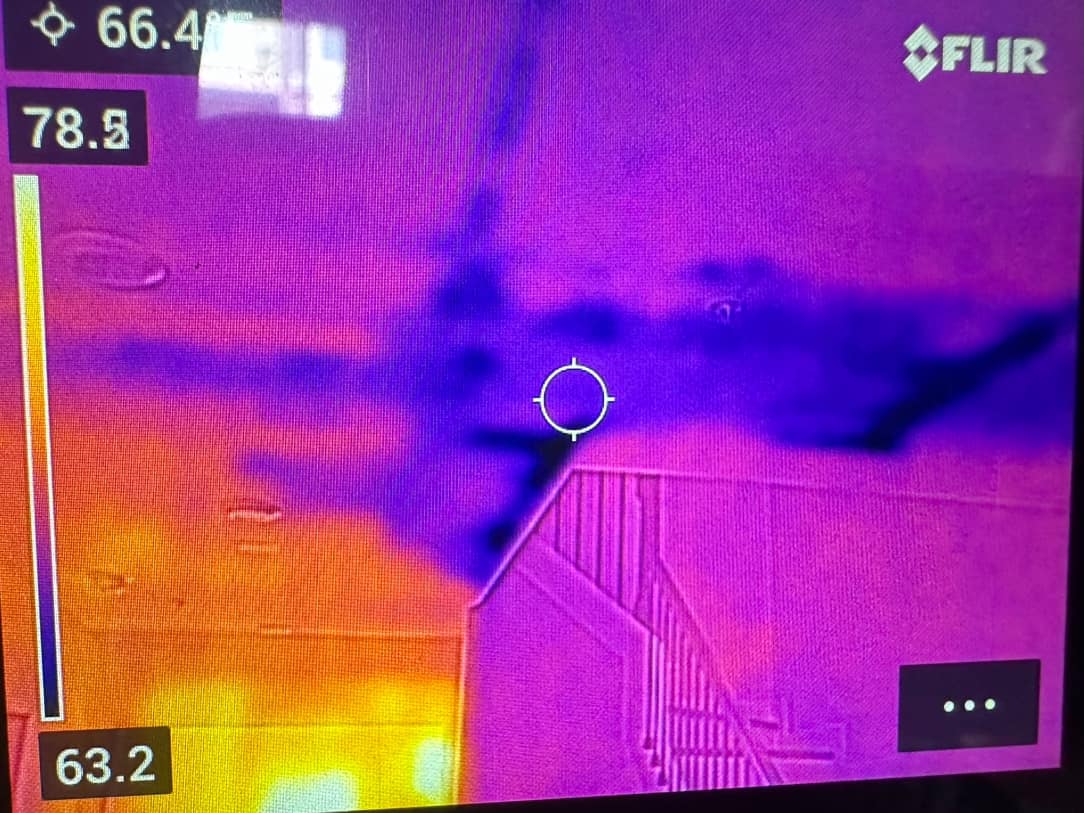
The assessment tells us three critical things:
- How far the water has traveled. Water follows gravity and wicks through drywall, insulation, and subflooring. The visible damage is almost never the full extent of the damage.
- What type of water we’re dealing with:
- Clean water (Category 1) — from a broken supply line or faucet. Least hazardous.
- Gray water (Category 2) — from a washing machine overflow, dishwasher, or toilet with urine only. Contains contaminants.
- Black water (Category 3) — from sewage backup, flooding from rivers or streams, or standing water that has begun to support microbial growth. This requires the most aggressive approach.
- What materials are affected. Hardwood floors respond differently than carpet and pad. Drywall absorbs water differently than plaster. The materials involved determine what can be saved and what needs to be removed.
This assessment drives the entire restoration plan. We document everything and share it with your insurance adjuster.
Step 2: Water Extraction
Standing water needs to come out immediately. Every hour it sits, it’s causing more damage — saturating materials, weakening structures, and creating conditions for mold (which can start growing in 24-48 hours).
We use commercial-grade submersible pumps for standing water and truck-mounted or portable extraction units for water trapped in carpet, pad, and flooring. On a typical basement flood, extraction can take anywhere from a few hours to a full day depending on volume.
Step 3: Drying and Dehumidification
This is the step most people underestimate. Getting the visible water out is only the beginning. The moisture trapped in walls, subfloors, insulation, and framing needs to be dried to specific standards before restoration can begin.
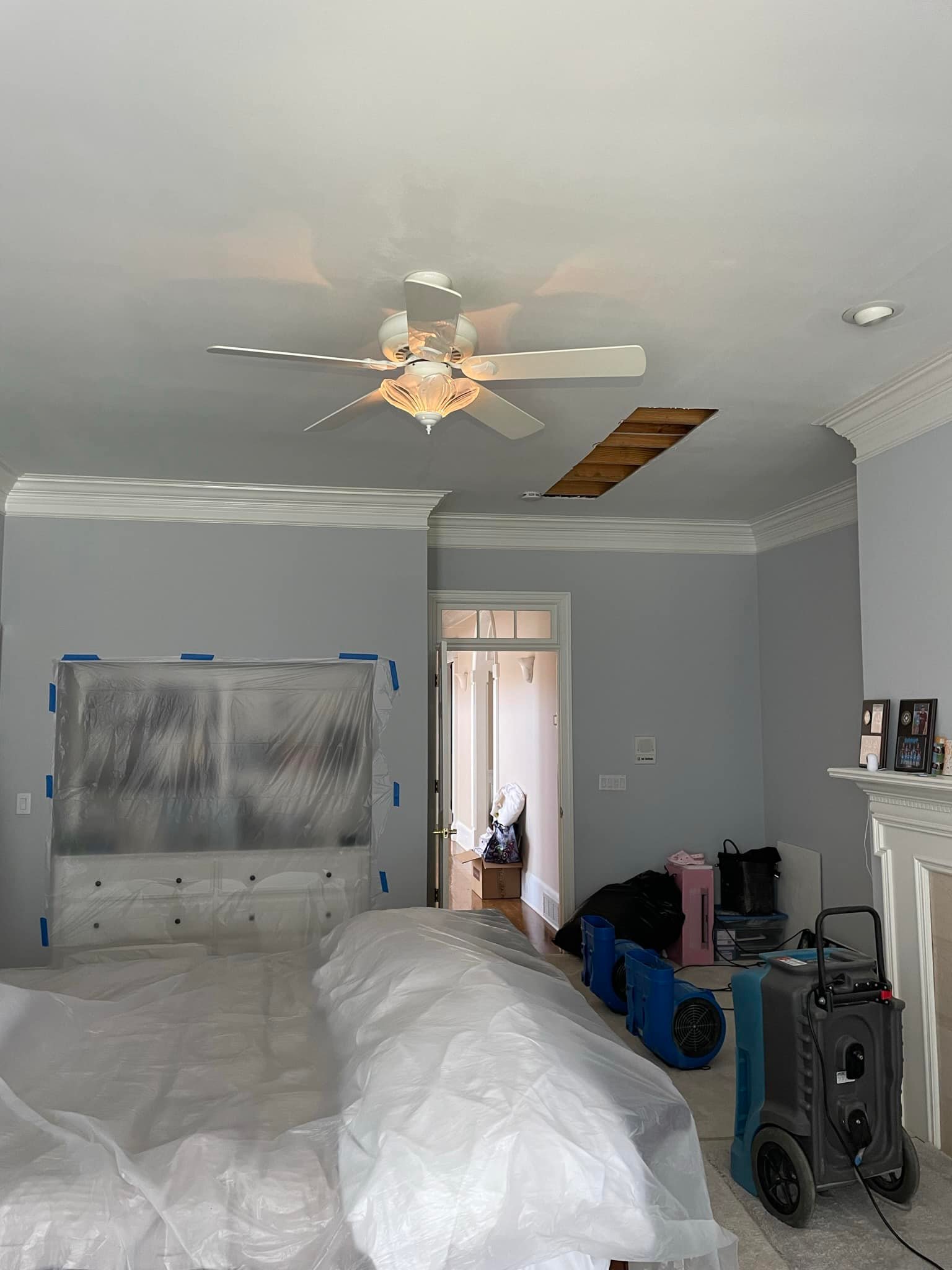
We set up a controlled drying environment using:
- Air movers — high-velocity fans that push air across wet surfaces to accelerate evaporation
- Commercial dehumidifiers — LGR (low-grain refrigerant) dehumidifiers that pull moisture from the air far more effectively than anything you can buy at a hardware store
- Monitoring equipment — we take daily moisture readings to track drying progress and adjust equipment placement as needed
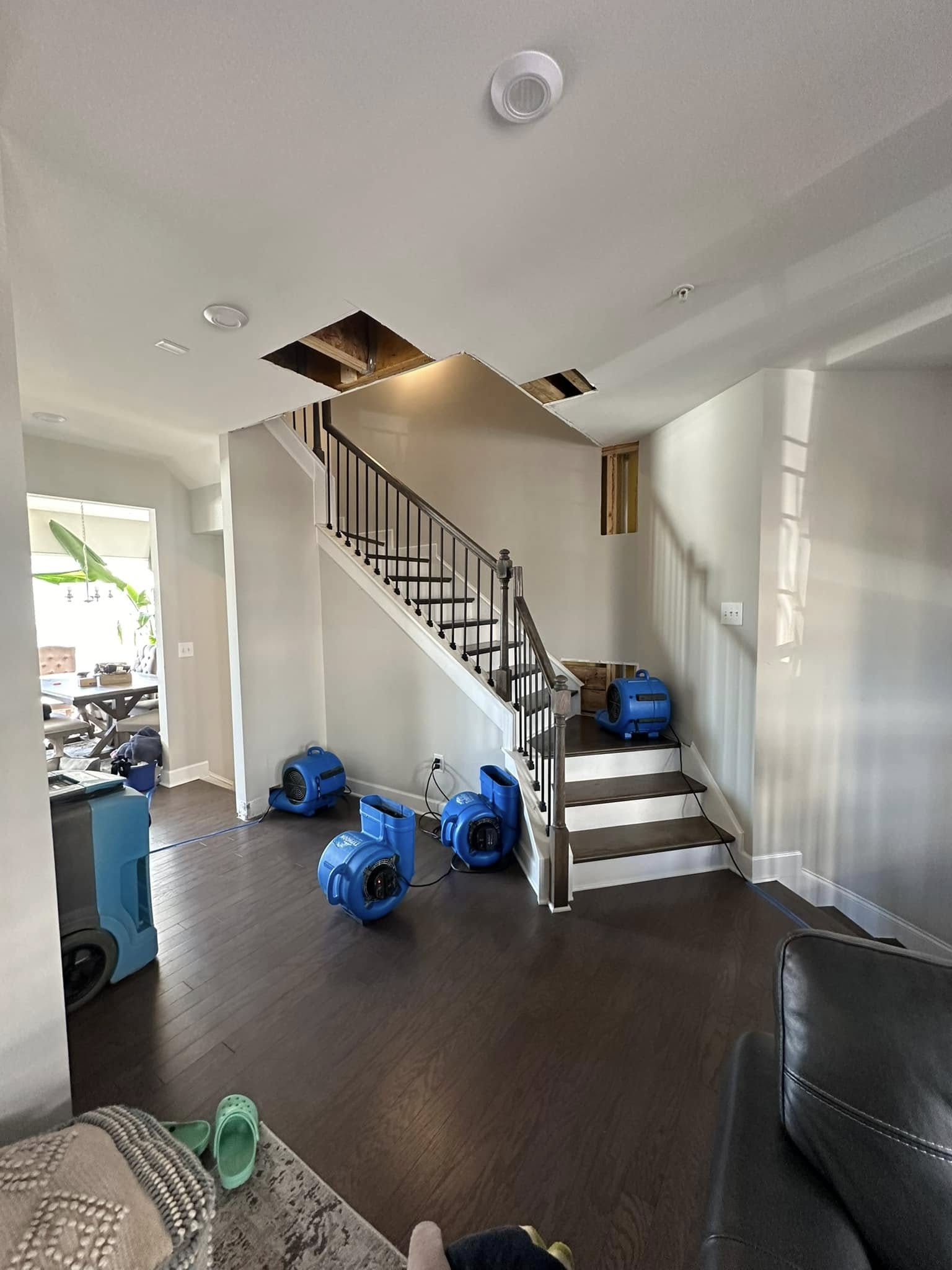
This phase typically takes 3-5 days for a moderate water loss, but can take longer for severe damage or if multiple floors are affected. We don’t rush this step. If materials aren’t dried to the IICRC standard (below 15% moisture content for most wood framing), mold will develop later — guaranteed.
Step 4: Removal of Damaged Materials
Once everything is dry, we assess what can be saved and what needs to go. Common materials that typically need removal after significant water damage:
- Carpet padding — almost always needs replacement. It absorbs water like a sponge and is nearly impossible to fully dry and sanitize.
- Drywall — if it was submerged or saturated above the first foot or two, it loses structural integrity and needs to be cut out and replaced.
- Insulation — wet insulation (especially fiberglass batts) doesn’t dry well and becomes a mold habitat. It gets replaced.
- Baseboards and trim — often removed during drying to allow air circulation behind walls, and may need replacement depending on material and damage.
Carpet itself can sometimes be saved if it’s synthetic and the water was Category 1 or 2. We make that call based on the specific situation.
Step 5: Cleaning and Sanitization
After damaged materials are removed and the structure is verified dry, we clean and sanitize all remaining surfaces. This includes antimicrobial treatments on framing and subfloor, HEPA vacuuming to capture any particulates, and air scrubbing to ensure the air quality is safe.
For Category 3 (black water) events, this step is more extensive and may include fogging and additional rounds of treatment.
Step 6: Restoration and Rebuild
This is where your home starts looking like your home again. Depending on the extent of damage, restoration can range from minor (new carpet, fresh paint, new baseboards) to major (rebuilding walls, replacing flooring, restoring cabinetry).
We handle the full rebuild, but we’re transparent about timelines. A straightforward water damage restoration — say a single room with carpet and drywall damage from a supply line break — might be fully restored in two to three weeks from the day we arrive. A finished basement with extensive damage can take six to eight weeks or more.
What About Insurance?
Most homeowner’s insurance policies cover sudden and accidental water damage — a burst pipe, an appliance failure, a supply line that lets go. Here’s what you should know:
What’s typically covered:
- Burst pipes and supply line failures
- Appliance malfunctions (washing machine, water heater, dishwasher)
- Accidental overflow
- Storm damage (wind-driven rain, fallen trees damaging the structure)
What’s typically NOT covered:
- Gradual leaks you knew about and didn’t fix
- Flood damage from rising water (this requires separate flood insurance)
- Maintenance issues (a roof you knew needed repair)
- Mold that resulted from a covered loss is sometimes covered, sometimes not — it depends on your policy
How we work with your insurance:
We work directly with your insurance adjuster to document the damage, provide detailed scope of work, and ensure the restoration meets industry standards. We’re not going to pad the claim or create unnecessary work, but we’re also not going to cut corners because an adjuster wants to save money on a line item. Our job is to get your home back to pre-loss condition, period.
One important note: your insurance company works for the insurance company, not for you. Be polite, be cooperative, but don’t sign anything or accept a settlement without understanding the full scope of repairs needed. If you feel a claim is being unfairly denied or undervalued, you have the right to get a second opinion.
The Bottom Line
Water damage is stressful, disruptive, and usually unexpected. But it’s also fixable. The key is acting fast (especially in the first 24-48 hours), working with a certified restoration company that documents everything properly, and understanding the process so you know what to expect.
If you’re dealing with water damage right now, or if you’ve noticed signs of water intrusion in your home, call us at 404-992-1125. We respond same-day across Metro Atlanta — Woodstock, Roswell, Alpharetta, Kennesaw, Canton, Cumming, Vinings, Ball Ground, Holly Springs, Jasper, Bartow County, Paulding County, Cobb County, Cherokee County, and surrounding areas. We’ll assess the situation, walk you through your options, and get your home back to where it should be.
Property Restoration Pros is IICRC certified and has been serving Metro Atlanta homeowners since 2001. We specialize in water damage restoration, mold remediation, fire restoration, air duct cleaning, and crawl space encapsulation.