
If you’ve lived in Metro Atlanta for any length of time, you know what spring brings — warm temperatures, afternoon thunderstorms, and humidity that hits you the moment you walk outside. What most homeowners don’t realize is that this combination creates the perfect environment for mold to take hold in your home.
After 22 years of remediating mold in homes across Woodstock, Alpharetta, Roswell, Kennesaw, and the greater Atlanta area, we’ve seen a clear pattern: our busiest months for mold calls start in April and don’t slow down until October. Here’s what you need to know to protect your home this season.
Why Spring Is Mold Season in Georgia
Mold needs three things to grow: moisture, warmth, and an organic surface. Georgia’s spring delivers the first two in abundance.
Average humidity in Metro Atlanta hovers around 70% throughout the year, but spring rain pushes indoor humidity even higher. When your home’s interior climbs above 60% relative humidity, mold spores — which are always present in the air — can germinate and begin colonizing surfaces in as little as 24 to 48 hours.
Spring thunderstorms compound the problem. Heavy rain can overwhelm gutters, seep into crawl spaces, and find its way through small roof vulnerabilities that went unnoticed all winter. By the time you notice a musty smell or see discoloration on a wall, the mold colony may have been growing for weeks.
The 5 Most Common Places We Find Spring Mold
Based on thousands of inspections in homes across North Georgia, these are the areas where mold shows up most often in spring:
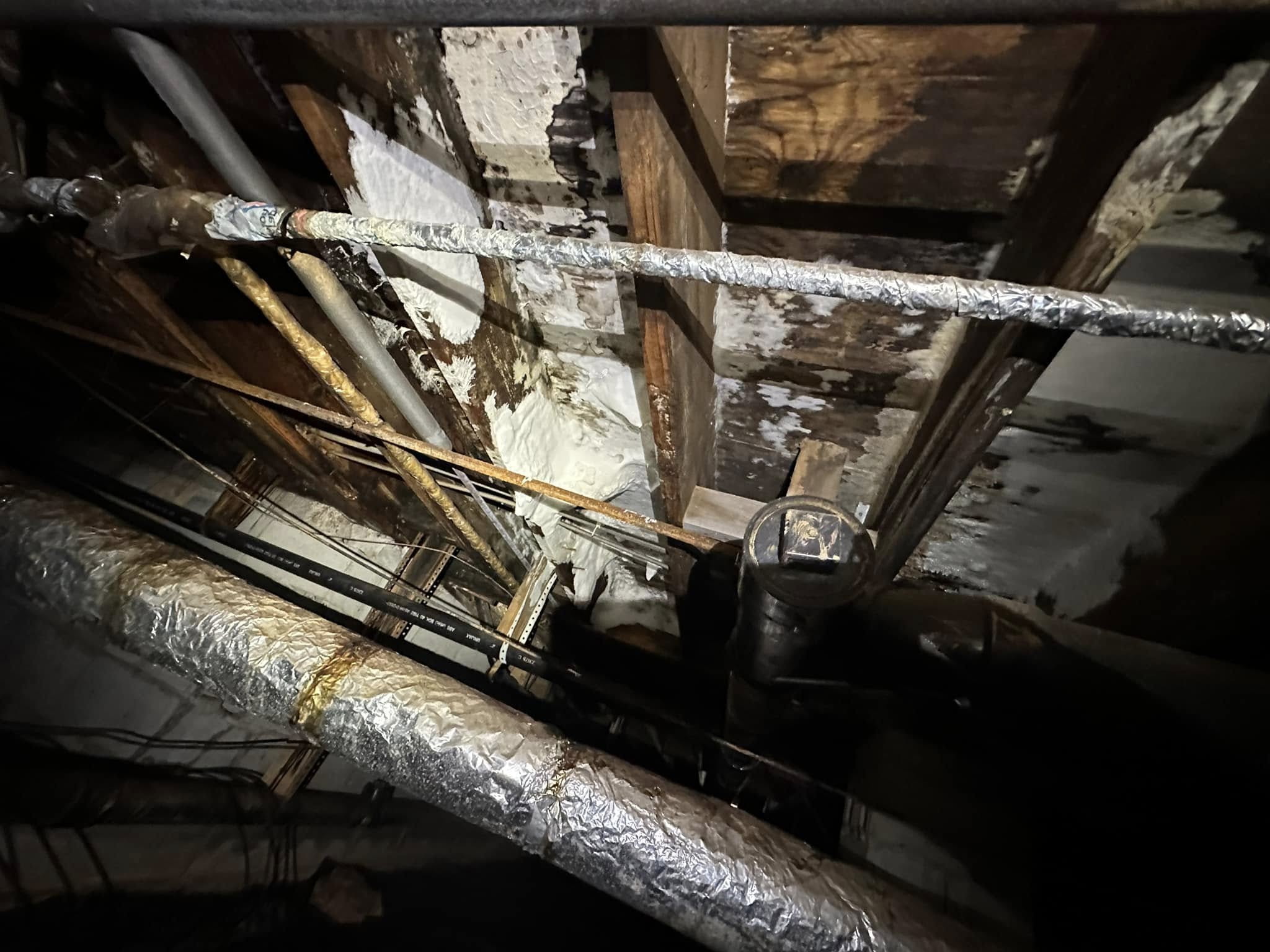
1. Crawl Spaces
Georgia’s clay soil doesn’t drain well. After spring rains, moisture wicks up through the ground and saturates crawl spaces. Without proper encapsulation and dehumidification, this moisture feeds mold on floor joists, subflooring, and insulation. This is the single most common mold source we see.
2. Behind Bathroom Walls
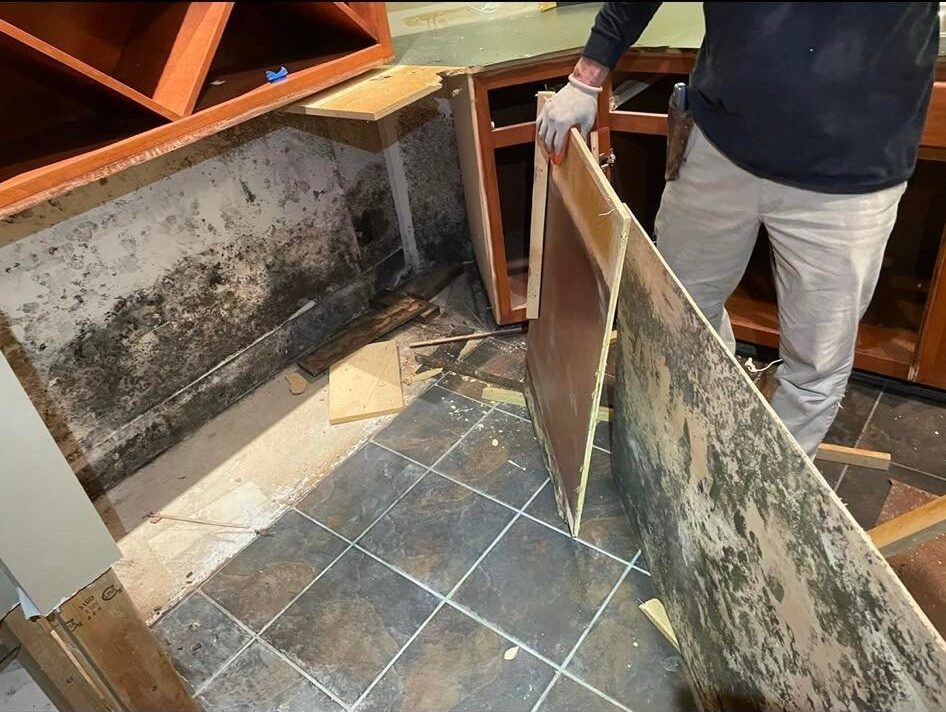
Bathrooms already deal with daily moisture from showers and baths. Add spring humidity on top of that, and you get condensation forming behind walls where you can’t see it. Slow plumbing leaks make this even worse.
3. HVAC Systems and Ductwork
When you switch from heating to cooling in spring, condensation can form inside your ductwork. If your system hasn’t been serviced and cleaned, that moisture sits in dust-coated ducts — exactly what mold needs.
4. Attics
Poor attic ventilation traps warm, humid air. We frequently find mold on roof sheathing in attics where soffit vents are blocked or ridge vents are inadequate. This is especially common in older homes in Cobb County and Cherokee County.
5. Hidden Spaces Behind Cabinets and Walls
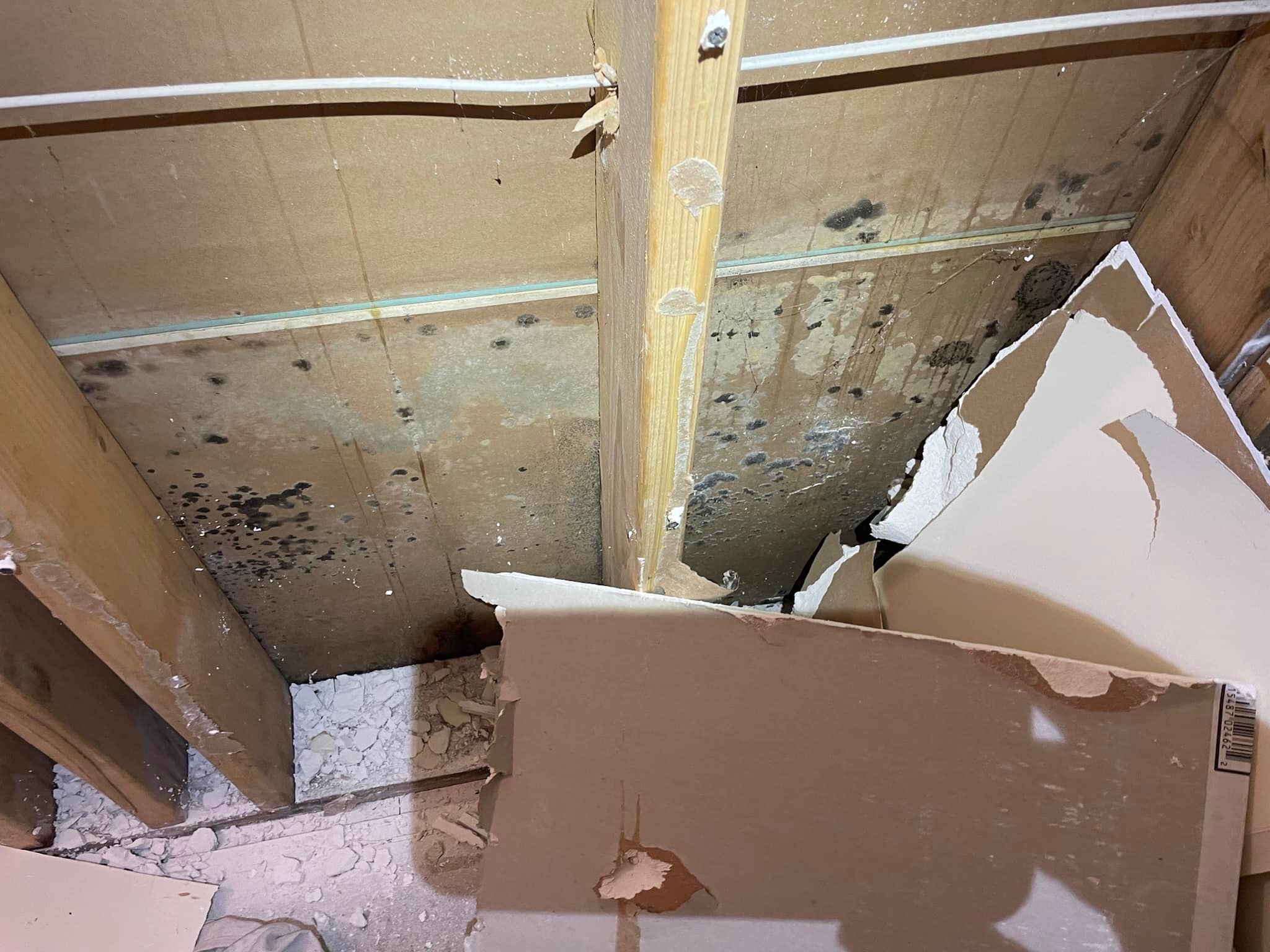
Some of the worst mold problems we find are in places homeowners never think to look. Behind kitchen cabinets, inside wall cavities, under flooring — these hidden spaces trap moisture and go unnoticed until the mold colony is well established.
Warning Signs You Shouldn’t Ignore
You don’t always see mold before it becomes a problem. Watch for these early indicators:
- Musty or earthy smell in certain rooms, especially when you first walk in
- Increased allergy symptoms at home — sneezing, congestion, or itchy eyes that improve when you leave
- Condensation on windows — this means your indoor humidity is too high
- Peeling or bubbling paint on walls, particularly in bathrooms or near exterior walls
- Warped or soft spots in flooring, especially near bathrooms or exterior doors
- Higher than normal energy bills — your HVAC is working harder against excess moisture
7 Things You Can Do Right Now
You don’t need to wait for a problem to start protecting your home:
- Check your indoor humidity. Pick up a digital hygrometer (under $15 at any hardware store). If readings consistently show above 55%, you need to address moisture sources or add dehumidification.
- Run your bathroom exhaust fans for 30 minutes after every shower. Most people turn them off too soon. The fan needs to run long enough to clear the moisture completely.
- Clean your gutters and check your downspouts. Make sure water is being directed at least 4-6 feet away from your foundation. Clogged gutters are one of the top causes of crawl space moisture problems.
- Inspect your crawl space. If you have a vented crawl space with exposed dirt floor, you’re at high risk. Encapsulation with a vapor barrier and dehumidifier is the long-term solution. We offer crawl space encapsulation across Metro Atlanta, including Canton, Woodstock, Alpharetta, Roswell, Cumming, Vinings, Cobb County, and Paulding County.
- Service your HVAC before summer. Have your system inspected, filters replaced, and consider having your ductwork cleaned if it hasn’t been done in the last 3-5 years. We provide professional duct cleaning across Metro Atlanta, including Canton, Woodstock, Alpharetta, Roswell, Cumming, Vinings, Cobb County, and Paulding County.
- Check around windows and doors for gaps. Humid outdoor air infiltrating your home through gaps and cracks raises indoor humidity. Seal any gaps with caulk or weatherstripping.
- Don’t ignore small leaks. That slow drip under the kitchen sink or the occasional water stain on the ceiling isn’t going to fix itself. Small leaks create hidden mold behind walls where you won’t see it until it’s a major problem.
When to Call a Professional
If you already see visible mold, smell persistent mustiness, or have had any kind of water intrusion this spring, it’s time to get a professional assessment. Here’s what to keep in mind:
- Small surface mold on bathroom tile or caulk can usually be handled with household cleaners. That’s maintenance, not remediation.
- Mold covering more than about 10 square feet, or mold behind walls, in crawl spaces, or in HVAC systems should be handled by a certified professional. Disturbing a large mold colony without proper containment can spread spores throughout your entire home.
- If anyone in your household has respiratory issues, allergies, or a compromised immune system, don’t take chances with DIY approaches. Get it tested and properly remediated.
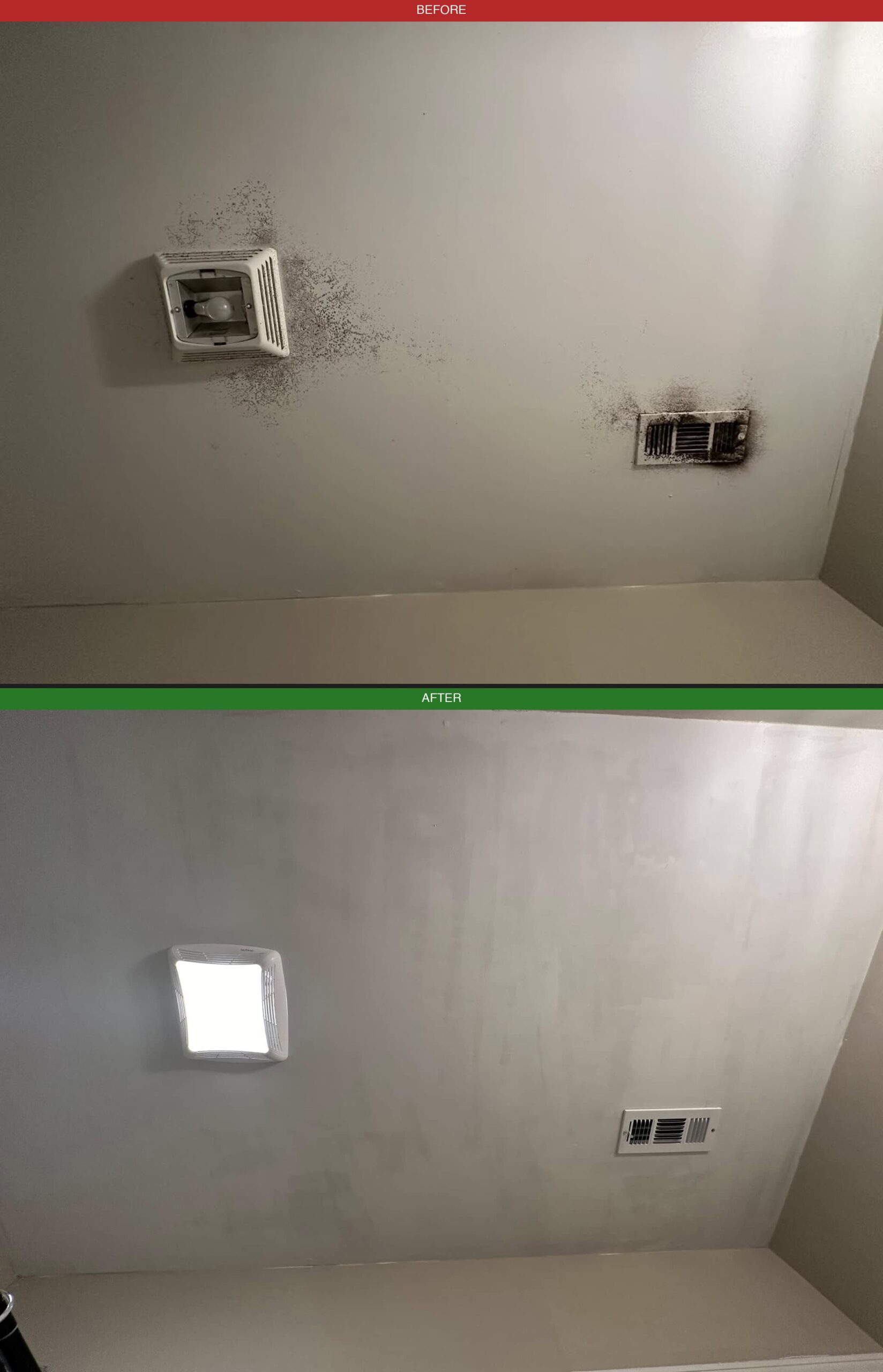
We offer free mold inspections across Metro Atlanta, including Woodstock, Roswell, Alpharetta, Kennesaw, Canton, Cumming, Vinings, Cobb County, Paulding County, and surrounding areas. If something doesn’t look or smell right, call us at 404-992-1125 and we’ll take a look. After 22 years in this business, we’ve seen it all — and we’d rather catch it early than deal with a full remediation later.
Property Restoration Pros is IICRC certified and has been serving Metro Atlanta homeowners since 2001. We specialize in mold remediation, water damage restoration, fire restoration, air duct cleaning, and crawl space encapsulation.